5 Credit Score Myths: What Every Business Founder Must Know
Bullit Team | 2025-11-24

Most founders fear their credit score more than their competition. Some avoid checking it and assume it will drop if they look at it. On the other hand, some believe it only matters for big companies.
Rest, make decisions based on credit score myths that slow down funding, raise interest rates, and block future credit opportunities.
In reality, a credit score is not a mysterious number. It is a financial record of how predictable, disciplined, and funding-ready you are.
Once a founder understands how credit scoring actually works, the entire eligibility game becomes easier: better loan approvals, better limits, better pricing.
Let’s bust the five biggest business credit score misconceptions that are holding your business back and replace them with facts that actually improve your credit health.
Common Credit Score Myths MSME Founders Believe
Credit score myths spread fast because they sound logical and, at times, true. However, they largely hurt founders trying to grow a business.
Below are five myths that cause most MSME founders to delay investments, avoid credit, or face unnecessary rejections:
Myth 1: Checking My Score Lowers It
Many MSME founders avoid checking their own CIBIL score because they believe the act of checking will lower it.
The Fact: There are two types of credit inquiries: Soft and Hard.
Soft inquiries happen when you check your own score, and they do not influence your credit rating in any way.
Hard inquiries occur when a lender checks your report during a loan application. Several hard inquiries within a short time can cause a small, temporary reduction because lenders see multiple applications as higher risk.
Example: A founder who reviews their credit report every quarter can identify discrepancies or unauthorized entries early, preventing delays during loan assessments.
Fact: Checking your own score improves credit awareness and does not reduce your rating.
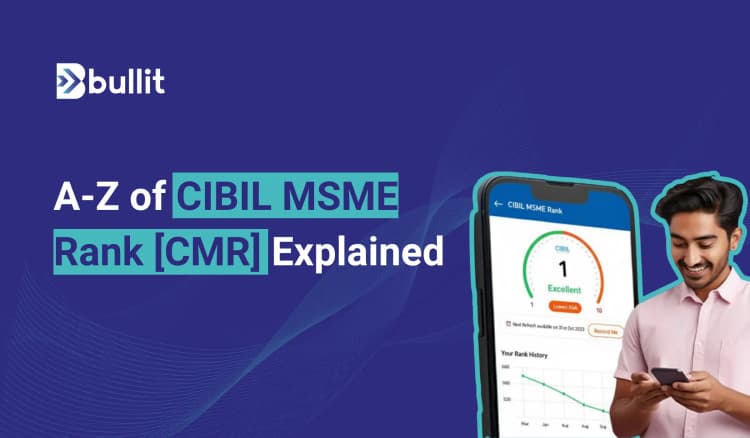
To understand how business credit is evaluated beyond these inquiries, check out our detailed CIBIL MSME Rank guide.
Myth 2: Only Big Businesses Require Credit Scores
Smaller traders, shop owners, and early-stage entrepreneurs often believe that credit scores matter only to large companies with big loan requirements.
The Fact: Every business creates a credit trail the moment it borrows, repays vendors, uses an overdraft, or takes any form of credit.
Lenders, NBFCs, and fintech platforms now evaluate MSME credit profiles before approving loans, credit lines, or working capital facilities. A good credit score improves trust, reduces borrowing costs, and strengthens your negotiating power.
Example: A small manufacturing unit with a clean repayment record and a strong CIBIL MSME Rank may receive lower interest rates than a larger company with inconsistent financial behavior.
Fact: Credit scores are essential for all, not just large enterprises, because they directly impact MSME loan eligibility and accessibility.
Myth 3: Collateral Improves Credit Score
Many founders assume that pledging property, equipment, or high-value assets will boost their credit score.
The Fact: Collateral does not influence your credit rating. It only helps secure a loan or reduce interest rates. Your credit score is determined by repayment discipline, not by the assets you provide.
Missed EMIs, delayed dues, or defaults will lower your score even if the loan was backed by strong collateral.
Example: A business that pledges property for a loan but misses multiple installments will still experience a drop in its credit score because repayment behavior is the primary indicator of creditworthiness.
Fact: Collateral earns approval, but repayments earn credit trust.
Myth 4: Loan Rejection Permanently Hurts My Credit
Founders often believe that once a loan is rejected, the damage to their credit score is permanent and unrecoverable.
The Fact: A loan rejection itself does not affect your credit score. What matters is the number of hard inquiries made during repeated applications.
Several inquiries within a short period may temporarily reduce your score because lenders see multiple attempts as increased risk.
Example: A founder applying to five lenders simultaneously may see a small dip in score. Reviewing the credit report first helps them apply only where eligibility is strong.
Fact: Rejections do not damage your score; multiple inquiries do. Use your report to apply strategically.
You can also explore the common MSME loan rejection reasons to understand how application patterns and documentation gaps influence your approval chances.
Myth 5: Personal and Business Credit Are the Same
Many MSME owners assume that their personal CIBIL score represents their company’s credibility.
The Fact: Personal and business credit scores are separate financial identities. Personal credit tracks your individual loans, EMIs, and cards. Business credit reflects the enterprise’s repayment behavior, vendor payments, and credit-linked obligations.
In early stages, lenders may rely on personal score, but long-term funding depends on the company’s independent credit trail.
Example: A founder with a 785 personal score but no business credit may still face delays. However, a separate MSME credit history helps secure higher limits and faster approvals as the business grows.
Fact: Separate your business credit early. It protects your personal profile and builds enterprise-level credibility.
You can also read - Detailed Breakdown: Business Credit Score vs Personal Credit Score
How to Improve Your MSME Credit Score
A strong MSME credit score is not built overnight. It develops through consistent financial behavior, updated compliance, and clear separation between personal and business credit activity.
Here are a few credit score tips for MSMEs to strengthen their business credit profile:
- Pay All Dues on Time
Timely payment of EMIs, vendor invoices, utility bills, and tax dues builds a clean repayment track record. This is the single strongest factor that improves your MSME credit score. - Keep Credit Utilization Under 60%
Using only a portion of your available credit limit shows financial discipline and reduces the appearance of liquidity stress. Consistently high utilization can restrict credit access in the future. - Monitor CIBIL and Business Credit Reports
Reviewing your credit reports regularly helps identify errors or outdated entries before they affect loan applications. Early correction improves approval chances and protects your credit reputation. - Stay Updated with Compliance
Filing GST, ITR, ROC submissions, and maintaining proper financial records signals professional management. Updated compliance adds credibility during lender evaluations. - Diversify Your Credit Mix
Using a combination of short-term and long-term credit products, such as working capital and term loans, demonstrates responsible financial planning and improves your MSME credit standing.
Consistency, not complexity, is what strengthens your MSME credit score over time.
How Bullit Helps Founders Strengthen Their MSME Credit Profile?
Bullit supports founders with a structured and transparent system that helps them understand, monitor, and improve their business credit readiness.
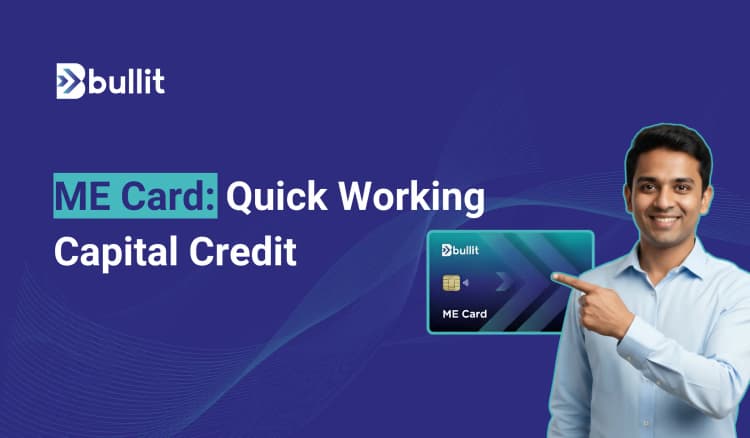
The platform provides access to funding tools, compliance support, and the Bullit ME Card, which helps entrepreneurs maintain disciplined repayment habits.
Through Bullit, MSMEs can track their credit health, identify risks early, and take actionable steps to improve their financial standing.
Also, it highlights important compliance requirements and offers clear guidance on how to enhance creditworthiness across key areas such as GST filings, financial documentation, and repayment history.
By using Bullit’s credit intelligence and lending tools, founders can build a long-term credit trail that aligns with lender expectations and supports higher loan limits, faster approvals, and better pricing as the business grows.
Conclusion
Your credit score is shaped by your financial habits. As a business founder, it is important to keep your score clean, consistent, and updated so lenders see a clear and reliable repayment pattern.
When you understand the real facts behind how credit scoring works, you stop falling for the myths that slow down thousands of MSMEs each year. With the right awareness, you can turn confusion into confidence and access funding with far less resistance.
Explore Bullit to get practical credit insights, discover business loans and credit cards that fit your goals, and manage all your compliance needs in one place.
If you want sharper direction for your next stage of growth, schedule a free one-to-one consultation with our experts and get guidance you can act on.